Month: November 2026
How Advanced Plumbing Systems Are Changing Homes in San Pedro
Plumbing technology has changed significantly in recent years, giving homeowners more ways to monitor water use, prevent leaks, improve efficiency, and protect their property. A modern San Pedro Plumber may now work with smart leak detectors, tankless water heaters, advanced filtration systems, automatic shutoff valves, and pressure-monitoring equipment in addition to traditional pipes and fixtures. For San Pedro homeowners, these systems can make plumbing more convenient while also helping identify problems before they become expensive emergencies.
Here are some of the advanced plumbing systems that are changing how homes manage water.
1. Smart Leak Detection Systems
Small plumbing leaks can remain hidden for weeks or even months.
A slow leak behind a wall, beneath a cabinet, or near an appliance may cause damage before anyone notices visible water.
Smart leak detection systems are designed to identify unusual water activity much earlier.
Some sensors are placed near common problem areas such as water heaters, washing machines, sinks, and toilets. Others monitor water flow throughout the entire home.
If the system detects unexpected water usage, it can send an alert to the homeowner.
That gives you an opportunity to investigate before a small leak becomes a flooded room.
2. Automatic Water Shutoff Valves
Leak detection becomes even more useful when it is connected to an automatic shutoff system.
These devices can stop the home’s water supply when abnormal flow is detected.
For example, if a pipe suddenly bursts while nobody is home, an automatic valve may help limit how much water enters the property.
Traditional plumbing requires someone to physically locate and close the main water valve.
A smart shutoff system can make that response much faster.
This technology can be especially useful for homeowners who travel frequently or own properties that remain unoccupied for extended periods.
3. Tankless Water Heaters
Traditional water heaters store a large amount of hot water inside a tank.
Tankless systems work differently.
Instead of continuously storing heated water, they heat water as it is needed.
That can reduce standby energy use and provide a continuous supply of hot water when the system is properly sized for the household.
Tankless units also take up less space than many conventional water heaters.
However, they are not automatically the right choice for every property. Household demand, gas or electrical capacity, installation requirements, and existing plumbing all need to be considered before making the switch.
4. Whole-Home Water Filtration
Many homeowners are becoming more interested in controlling the quality of water throughout the house rather than relying only on a small filter at the kitchen sink.
Whole-home filtration systems treat water as it enters the property.
Depending on the type of system, filtration may help reduce sediment, chlorine, odors, or other substances.
More advanced setups can include multiple filtration stages or water-conditioning equipment.
The right system depends on the water conditions and what the homeowner wants to improve.
Testing the water before selecting equipment can help avoid installing a system that does not actually address the home’s needs.
5. Smart Water-Usage Monitoring

Advanced plumbing systems can also help homeowners understand how much water they use.
Water-monitoring devices track flow throughout the home and may break usage down by time or pattern.
This can make it easier to notice unusually high consumption.
For example, if water usage increases even though your household routine has not changed, the system may help reveal a leak or malfunctioning fixture.
Some homeowners also use the information to reduce unnecessary water use.
A continuously running toilet or dripping fixture may not seem serious, but small amounts of wasted water can add up over time.
6. Pressure Monitoring and Regulation
Water pressure affects nearly every plumbing fixture in a home.
Pressure that is too low can make showers and faucets frustrating to use.
Excessively high pressure can place unnecessary stress on pipes, valves, appliances, and connections.
Modern pressure-monitoring equipment can help homeowners track changes in the system.
A pressure regulator may also be used where appropriate to maintain safer operating pressure.
Sudden changes in pressure can sometimes point to other plumbing problems, so monitoring provides another way to spot unusual conditions early.
7. Advanced Drain and Sewer Inspection
Modern plumbing diagnostics are also making it easier to investigate drain and sewer problems without immediately opening walls or digging up yards.
Video inspection equipment allows plumbers to look inside certain pipes and identify blockages, damaged sections, root intrusion, or other issues.
This can make diagnosis more precise.
Instead of relying only on symptoms such as slow drains or repeated backups, a technician may be able to see what is happening inside the line.
Locating the problem before beginning repair can reduce unnecessary work and help determine the most appropriate solution.
8. Modern Plumbing Fixtures
Plumbing upgrades are not limited to hidden systems.
Modern toilets, faucets, showerheads, and other fixtures are increasingly designed to use water more efficiently.
Some faucets include touchless operation, while certain shower systems allow more precise control over temperature and flow.
These features can improve convenience while helping households manage water use.
When replacing fixtures, homeowners should consider both appearance and compatibility with the existing plumbing system.
Are Advanced Plumbing Systems Worth It?
Not every home needs every available technology.
The best upgrades depend on the age of the property, condition of the plumbing, household water use, and the problems you are trying to solve.
A homeowner who frequently worries about leaks may benefit most from monitoring and automatic shutoff equipment.
Someone renovating an older property may instead prioritize new piping, efficient fixtures, or water-heating upgrades.
The goal should be to solve a real plumbing need rather than adding technology simply because it is available.
The Future of Plumbing in San Pedro Homes
Plumbing is becoming less reactive and more preventive.
Instead of waiting for a pipe to burst or a water bill to suddenly increase, advanced systems can help homeowners monitor what is happening throughout their plumbing every day.
For San Pedro homeowners, smart leak detection, automatic shutoff valves, improved water heaters, filtration systems, and modern diagnostic tools can all contribute to a more efficient and manageable home.
Traditional plumbing skills are still essential, but technology is giving homeowners and plumbers better information.
And when you know what your plumbing system is doing, it becomes much easier to address small problems before they turn into major repairs.
What Blinking Lights on an Advanced Furnace System Are Trying to Tell You
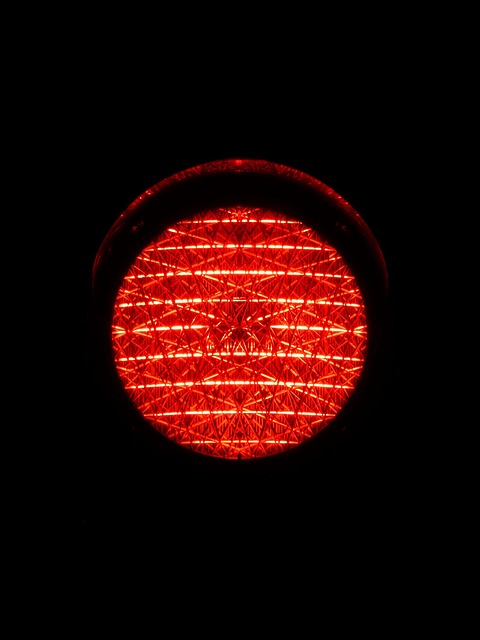
Modern furnaces are much better at diagnosing their own problems than older systems. Many advanced units use small LED lights on the control board to signal normal operation, warnings, or specific faults. If you are wondering what blinking lights on furnace mean, the answer depends on the brand, model, and blink pattern. A steady light, two flashes, four flashes, or rapid blinking can all indicate different conditions. These lights are not random—they are part of the furnace’s built-in diagnostic system.
Why Modern Furnaces Use Blinking Lights
Older furnaces often gave homeowners very little information when something went wrong. The furnace either worked or it did not.
Advanced systems are different.
Most newer furnaces have an electronic control board that monitors important components such as the ignition system, flame sensor, pressure switch, limit switch, blower motor, and thermostat signals.
When the board detects a problem, it may store an error code and communicate it through an LED.
That is why counting the flashes can be useful.
The pattern may help narrow down the problem before any parts are removed.
A Steady Light May Mean Normal Operation
Not every furnace light indicates trouble.
On many systems, a steady green light can mean the furnace has power and is operating normally.
Some models use a slow blink to indicate standby mode.
Others may use different colors for normal operation.
Because manufacturers use different code systems, there is no universal meaning for every light.
The safest way to interpret a blinking furnace light is to check the diagnostic chart printed inside the furnace access panel or consult the manufacturer’s manual.
Two or Three Blinks Can Point to a Specific Fault
A furnace that repeatedly flashes two, three, or another set number of times is usually communicating an error code.
For example, depending on the system, a certain blink pattern may be associated with a pressure-switch problem.
The pressure switch helps confirm that the furnace is venting combustion gases properly before ignition begins.
If the switch does not open or close when expected, the furnace may stop the heating cycle as a safety measure.
However, the blink count by itself does not tell you exactly which component has failed.
A blocked vent, damaged hose, faulty inducer motor, or defective switch could all create similar symptoms.
Rapid Blinking Can Indicate Communication or Control Problems

Some advanced furnaces use fast blinking when the control board detects an electrical or communication problem.
This can happen in systems with more sophisticated thermostats, variable-speed blowers, or communicating controls.
A rapidly flashing light may indicate that the furnace is receiving an unexpected signal or failing to communicate with another part of the HVAC system.
Loose wiring, low voltage, control-board issues, or thermostat problems are among the possibilities.
This is one reason it is important not to assume every blinking light means the same thing.
Blinking Lights and Ignition Problems
One of the most common reasons a furnace displays an error code is an ignition failure.
Modern gas furnaces often use electronic ignition rather than a standing pilot light.
During a normal heating cycle, the furnace should start the inducer motor, verify airflow, activate the igniter, open the gas valve, and confirm that a flame is present.
If one of those steps does not happen correctly, the furnace may stop the cycle and display a diagnostic code.
A dirty flame sensor is one possible cause.
The flame sensor confirms that the burners are actually lit. If the sensor cannot detect the flame, the furnace may shut the gas valve off for safety.
High-Limit and Overheating Warnings
Blinking furnace lights can also indicate overheating.
A high-limit switch monitors temperature inside the furnace. If the system becomes too hot, the switch can shut down the burners.
Restricted airflow is one common reason this happens.
A clogged air filter, blocked return vent, closed supply vents, dirty blower components, or other airflow problems can cause heat to build up inside the furnace.
If your furnace repeatedly shuts down and displays a limit-related error, replacing a dirty filter may help, but recurring overheating should be investigated.
What You Can Check Safely
There are a few basic checks homeowners can perform without opening or modifying gas or electrical components.
First, make sure the thermostat is set correctly and calling for heat.
Next, check whether the furnace has power.
You can also inspect the air filter and replace it if it is heavily clogged.
Look at outdoor vent openings as well if they are accessible. Leaves, snow, debris, or other obstructions can sometimes interfere with venting.
After that, locate the diagnostic chart for your furnace and compare the blink pattern.
Avoid bypassing safety switches or repeatedly resetting the furnace if the same problem keeps returning.
Why Repeated Resets Are Not a Real Repair
Turning the furnace off and back on may temporarily clear some error codes.
That does not necessarily mean the underlying issue is fixed.
If the furnace repeatedly goes into lockout, flashes the same code, or fails to complete a heating cycle, something is causing the safety system to intervene.
Repeated resets can also erase useful diagnostic information that a technician may need.
It is usually better to note the blink pattern before resetting anything.
When to Call for Furnace Repair
Professional inspection makes sense when the furnace will not start, repeatedly shuts down, smells unusual, makes abnormal noises, or continues displaying an error code after basic checks.
Gas furnaces combine fuel, electricity, heat, and combustion venting, so many internal repairs are not appropriate DIY projects.
The blinking light is valuable because it gives you a starting point.
It can help a technician diagnose the system more efficiently, but it should not be treated as a complete diagnosis by itself.
Your Furnace Is Trying to Communicate
A blinking light on an advanced furnace is essentially the system’s way of reporting what it sees.
Sometimes the message is as simple as normal standby operation. Other times it may point toward airflow, ignition, venting, overheating, or control-system problems.
Count the flashes, note the color, and check the diagnostic chart for your exact furnace model.
Most importantly, pay attention when the same code keeps returning. Modern furnace diagnostics are designed to catch problems early, and those blinking lights may be the first warning that your heating system needs attention.